Your ultimate guide to East Lombok’s most pristine uninhabited island — crystal-clear waters, untouched coral reefs, and zero crowds.
A Hidden Island Most Tourists Will Never Find
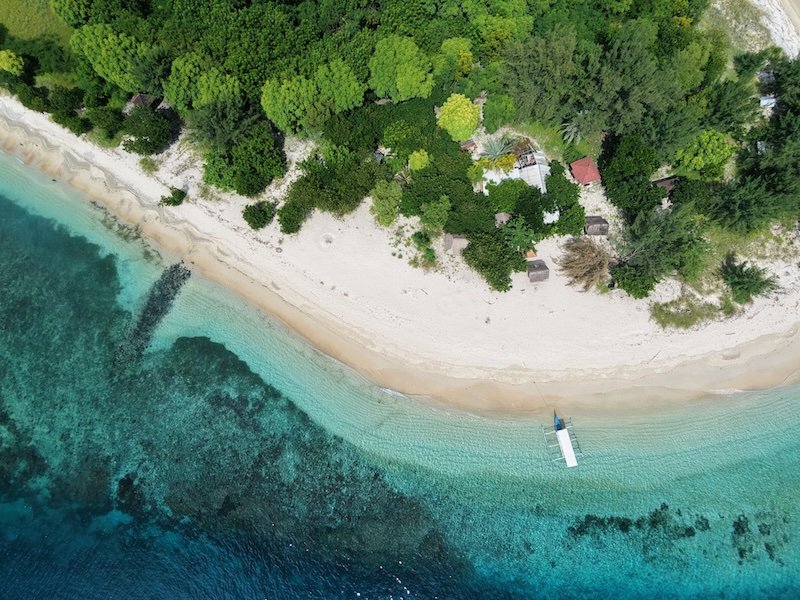
Imagine stepping off a wooden boat onto a powder-white beach so quiet you can hear the coral crackling beneath the tide. No hawkers. No sunbed rentals. No thumping bass from a beach bar. Just you, the turquoise Alas Strait, and a tiny uninhabited island that most visitors to Lombok will never even hear about.
Welcome to Gili Kondo.
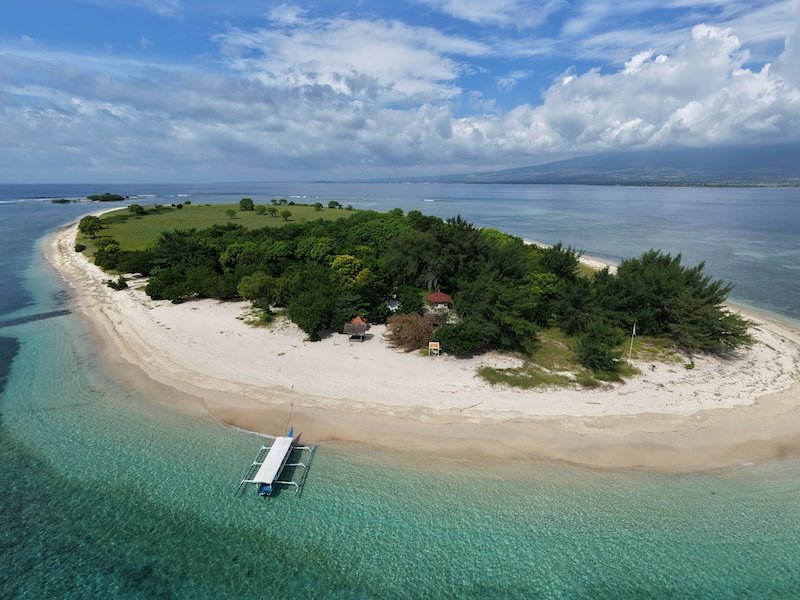
Tucked off the northeast coast of Lombok in the Sambelia district of East Lombok Regency, Gili Kondo is a small coral island — less than one square kilometre — surrounded by shallow, crystal-clear water and some of the healthiest reef systems left in the region. It sits among a cluster of four uninhabited islands (alongside Gili Bidara, Gili Petagan, and the sandbar known as Gili Kapal) that together form what locals and in-the-know travellers call the “Secret Gilis” of East Lombok.
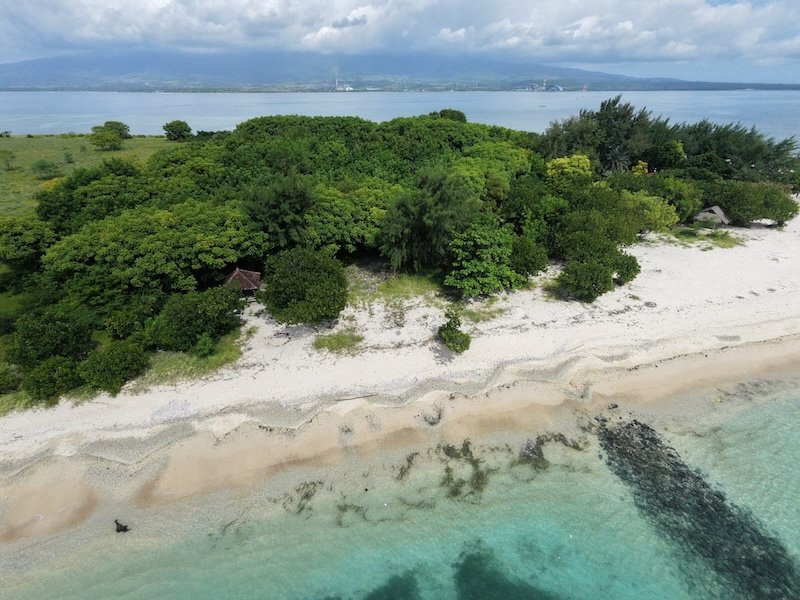
While the famous Gili Trawangan draws party crowds and Gili Meno caters to honeymooners, Gili Kondo remains delightfully raw. There are no resorts, no restaurants, and no motorised vehicles — just white sand, traditional wooden shelters called berugaq, and underwater scenery that rivals anything you’ll find at Lombok’s more famous snorkelling spots.
If you’re the kind of traveller who craves authentic, off-the-beaten-path experiences over polished resort holidays, Gili Kondo should be at the very top of your East Lombok bucket list.
What Makes Gili Kondo Special
Gili Kondo isn’t just another pretty island — it’s a snapshot of what Indonesia’s coastline looked like before mass tourism arrived.
The island sits within the Alas Strait, the body of water separating Lombok from neighbouring Sumbawa. This positioning along the Wallace Line — the famous biogeographical boundary between Asian and Australian fauna — means the surrounding waters host an unusually rich and diverse marine ecosystem. You’ll find species here that don’t exist on the Bali side of the strait.
The coral reefs around Gili Kondo are part of a Regional Marine Conservation Area (KKLD), which has kept commercial fishing and development at bay. The result is thriving hard and soft coral gardens visible from the surface, teeming with tropical fish, and some of the clearest water you’ll encounter anywhere in the Lesser Sunda Islands.
Because there’s virtually zero permanent development on the island, the beaches remain pristine. At low tide, you can actually walk across a shallow sandbar to neighbouring Gili Bidara, roughly 500 metres away — an experience that feels like something out of a nature documentary. The island’s tiny footprint means you can walk its entire coastline in under 30 minutes, discovering your own private stretch of beach around every bend.
How to Get There
Getting to Gili Kondo is part of the adventure. The island’s remoteness is precisely what keeps it unspoiled, so embrace the journey.
From Lombok International Airport (LOP)
Gili Kondo is located in the far northeast of Lombok, roughly 2 to 2.5 hours by road from Lombok International Airport (Bandara Internasional Lombok/Zainuddin Abdul Madjid). The drive takes you through the heart of East Lombok, past rice paddies, tobacco farms, and traditional Sasak villages — genuinely scenic territory that most tourists miss entirely.
Your destination on the mainland is Labuan Pandan, a small harbour in the Sambelia district. This is where you’ll board a boat to cross to the islands.
Getting to Labuan Pandan
Private car/driver: The most convenient option. A private driver from the airport or from Mataram/Senggigi costs approximately IDR 400,000–600,000 for the full day (including waiting time and return). Your accommodation or a local tour operator can arrange this.
Motorbike rental: The cheapest independent option if you’re comfortable on two wheels. Rentals run IDR 75,000–100,000 per day. The ride from Kuta Lombok or Mataram takes 2–3 hours depending on traffic.
Public transport (angkot): Possible but impractical for most visitors. There’s no direct service, you’ll need to transfer at least once, and schedules are unreliable. Only recommended for budget travellers with flexible timelines.
The Boat Crossing
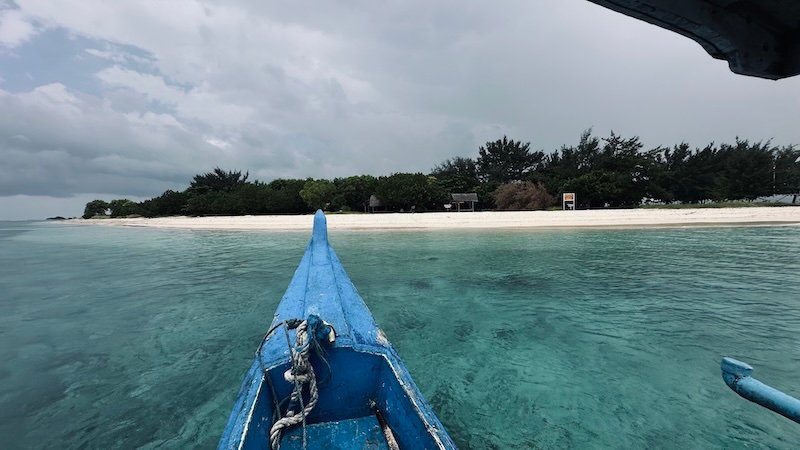
From Labuan Pandan harbour, traditional outrigger boats (locally called cidomo laut or simply perahu) make the crossing to Gili Kondo in roughly 20–30 minutes. The waters are generally calm, especially during dry season, making it a pleasant ride with views of the island cluster growing larger on the horizon.
Boat costs:
- Shared/public boat: IDR 50,000–75,000 per person (when enough passengers gather, typically mornings)
- Private charter (small boat, 1–4 people): IDR 250,000–350,000 total
- Private charter with island hopping (all four Gilis): IDR 400,000–500,000 total
Most visitors opt for the island-hopping charter, which gives you the flexibility to explore Gili Kondo, Gili Bidara, Gili Kapal, and Gili Petagan in a single trip. Negotiate the price and itinerary before departure and confirm that snorkelling equipment is included (or available for rent at the harbour for IDR 25,000 per item).
Best Time to Visit Gili Kondo
Dry Season (April–October): Prime Time
The ideal window for visiting Gili Kondo is during Lombok’s dry season, roughly April through October. During these months you’ll enjoy calm seas, maximum underwater visibility (often exceeding 15–20 metres), and the lowest chance of rain disrupting your day.
Peak conditions typically fall between June and September, when rainfall is minimal and the Alas Strait is at its most tranquil. This is when the water clarity is at its best for snorkelling, and the boat crossing from Labuan Pandan is smoothest.
Wet Season (November–March): Proceed with Caution
Visiting during wet season isn’t impossible, but conditions are unpredictable. Afternoon rain squalls are common, seas can become choppy, and boat operators may cancel crossings on rough days. Underwater visibility also drops significantly after heavy rains. That said, you might get lucky with a clear day between December and February — and you’ll almost certainly have the island entirely to yourself.
Time of Day
Arrive as early as possible. Most boat operators at Labuan Pandan begin crossings around 8:00–9:00 AM. Morning light produces the best water clarity and the calmest conditions for snorkelling. By midday the sun is intense and wind often picks up, stirring sediment near the shallows.
Sunset from Gili Kondo is spectacular — the sun drops behind the silhouette of Mount Rinjani on the Lombok mainland — but this means staying late and arranging a return boat, so plan accordingly.
Tides Matter
Check tide charts before your visit. Low tide exposes the sandbar connecting Gili Kondo to Gili Bidara (a unique walking experience), but it also makes some snorkelling spots too shallow. Mid-tide tends to offer the best balance between walkable sandbars and swimmable reef areas.
Avoid Public Holidays
Gili Kondo is extremely popular with local visitors during Indonesian school holidays and long weekends, especially around Lebaran (Eid al-Fitr). The normally deserted island can get surprisingly crowded during these periods. If solitude is your priority, avoid national holidays and weekends.
7 Unmissable Things to Do at Gili Kondo
1. Snorkel the House Reef
The main event. Gili Kondo’s shallow, protected reefs start just metres from the beach. You don’t need to be a strong swimmer — the water is calm, rarely deeper than 3–5 metres near shore, and teeming with life. Expect vibrant hard corals, sea fans, and schools of damselfish, butterflyfish, and wrasse. Keep your eyes peeled for the island’s famous black clownfish (a darker variant of the common anemonefish that’s relatively rare elsewhere).
2. Walk to Gili Bidara at Low Tide
When the tide drops, a sandy pathway emerges connecting Gili Kondo to Gili Bidara, roughly 500 metres away. Walking across this shallow sandbar — ankle-deep warm water, white sand beneath your feet, fish darting around your legs — is one of the most memorable experiences in all of Lombok. Bring water shoes and a camera.
3. Island-Hop to Gili Kapal and Gili Petagan
Charter a boat to visit the neighbouring islands. Gili Kapal (“Ship Island”) is a tiny sandbar that appears and disappears with the tide — a surreal place to stand in the middle of the ocean on a strip of white sand. Gili Petagan is covered in mangrove forest dating back to the Japanese colonial era, and at high tide you can boat through mangrove tunnels that feel like exploring the Amazon in miniature.
4. Have a Robinson Crusoe Beach Picnic
There are no restaurants on Gili Kondo. Bring your own supplies or arrange a seafood BBQ lunch through your boat operator — many offer grilled fish, squid, corn fritters, tempeh, tofu curry, and fresh fruit as part of their tour package. Eating freshly grilled fish on an uninhabited island surrounded by turquoise water is about as good as lunch gets.
5. Circumnavigate the Island on Foot
Gili Kondo is small enough to walk around in 20–30 minutes. The main beach on the west side is where most visitors congregate, but venture around the northern and eastern shores to find completely deserted stretches of sand. The afternoon light on the east side, with Sumbawa Island visible on the horizon, is particularly photogenic.
6. Camp Overnight Under the Stars
For the adventurous, overnight camping on Gili Kondo is an unforgettable experience. The island has basic shelters (berugaq) and designated camping areas. Bring your own tent, sleeping gear, food, and water. The reward: sunset and sunrise on a virtually private island, with nothing but the sound of waves and a canopy of stars overhead.
Start your booking for Gili Kondo Glamping here.
7. Combine with a Pink Beach Day Trip
Lombok’s famous Pink Beach (Pantai Tangsi) is located on the southeast coast, roughly 1.5–2 hours by road from Labuan Pandan. Many travellers combine Gili Kondo with a Pink Beach visit across two days, creating the ultimate East Lombok adventure loop. The pink-hued sand — coloured by crushed red coral fragments — is best viewed at low tide during early morning or late afternoon light.
Snorkelling at Gili Kondo: A Complete Guide
The snorkelling around Gili Kondo and its neighbouring islands is genuinely world-class for a shore-accessible site. Here’s what you need to know to make the most of it.
What You’ll See
| Marine Life | Details |
|---|---|
| Hard Corals | Extensive table corals, staghorn formations, and brain corals in excellent health |
| Clownfish | Multiple anemone colonies hosting orange and rare black-variant clownfish |
| Reef Fish | Damselfish, butterflyfish, angelfish, parrotfish, wrasse, blue tang, and moorish idols |
| Larger Species | Occasional sea turtles (green and hawksbill), reef sharks in deeper water |
| Invertebrates | Giant clams, sea cucumbers, sea urchins, and colourful nudibranchs |
| At Gili Petagan | Starfish colonies on sandy flats; mangrove ecosystem with juvenile reef fish |
Best Snorkelling Spots
Gili Kondo West Beach: The easiest entry point with a gentle sandy slope into the reef. Ideal for beginners. Coral starts 10–15 metres from shore.
Gili Bidara Jetty Area: In front of the old (broken) jetty on Gili Bidara is considered the best single spot in the cluster. Dense coral coverage with excellent fish diversity — this is where most people spot their first Nemo.
Gili Kapal Sandbar: When partially submerged, the waters around Gili Kapal offer excellent shallow snorkelling with good visibility and interesting coral formations.
Gili Petagan Mangroves: A completely different experience. Snorkel among mangrove roots at high tide to see juvenile fish, crabs, and unique brackish-water species.
Conditions and Safety
The waters around the East Gilis are generally calm and shallow, making them suitable for snorkellers of all levels. However, keep these points in mind:
- Visibility ranges from 10–25 metres depending on season, tide, and recent rainfall. Best visibility is June–September during incoming tide.
- Currents are typically gentle but can pick up between islands. Stay close to shore if you’re not a confident swimmer.
- Coral is fragile. Never stand on, touch, or break coral. Wear a rash guard or reef-safe sunscreen to minimise your impact.
- No lifeguards or medical facilities exist on any of the islands. Snorkel with a buddy and inform your boat operator of your plans.
Equipment
Snorkelling masks and fins are available for rent at Labuan Pandan harbour for approximately IDR 25,000 each. However, the quality is often basic. If you’re serious about snorkelling, bring your own well-fitting mask and snorkel. Fins are less critical given the shallow conditions but helpful for reaching outer reef areas.
Life jackets are typically provided free of charge with equipment rental — use one if you’re not a strong swimmer. A waterproof camera or GoPro is essential for capturing the underwater scenery.
Practical Information
What to Bring (Essential Packing List)
This is critical: Gili Kondo has virtually no facilities. There’s a small shop on the main beach selling instant noodles (Pop Mie), basic snacks, and drinks, but that’s it. You need to be self-sufficient.
Must-haves:
- Reef-safe sunscreen (SPF 50+) and reapply frequently
- At least 2 litres of drinking water per person
- Packed lunch and snacks (or arranged BBQ through your boat operator)
- Snorkelling gear (own or rented at Labuan Pandan)
- Dry bag for electronics
- Towel and change of clothes
- Waterproof camera/GoPro
- Water shoes or reef shoes (coral fragments on some beach sections)
- Cash in small denominations (no ATMs, no card payments)
- Hat, sunglasses, and a light cover-up
Nice-to-haves:
- Underwater torch for peering into coral crevices
- Hammock (plenty of trees to string it between)
- Portable speaker for ambience
- Trash bag (leave no trace — pack out everything you bring in)
Facilities on the Island
Let’s be clear: there are almost none. Gili Kondo has:
- Several berugaq (traditional open-sided wooden shelters) for shade and rest
- A basic toilet/musholla (prayer room) — note that these use seawater, not freshwater
- A tiny snack shop (inconsistently open)
- Designated camping areas
There is no electricity, no freshwater supply, no medical facilities, and no phone signal on most carriers (Telkomsel occasionally gets a weak signal). Plan accordingly.
Cost Breakdown for a Day Trip
| Item | Approximate Cost (IDR) |
|---|---|
| Private driver (round trip from airport/Mataram) | 400,000–600,000 |
| Boat charter (island hopping, 4 islands) | 400,000–500,000 |
| Snorkelling gear rental (mask + fins) | 50,000 |
| Seafood BBQ lunch (per person) | 50,000–100,000 |
| Drinks and snacks | 20,000–50,000 |
| Total per person (group of 4, shared costs) | ~250,000–350,000 |
For solo travellers or couples, all-inclusive tour packages (IDR 686,000–975,000 per person) often represent better value when you factor in the convenience of organised transport, guide, and meals.
Where to Stay Near Gili Kondo
Gili Kondo itself has no formal accommodation — only camping areas and basic shelters. So where do you base yourself for an East Lombok island adventure?
Labuan Pandan Area
A handful of simple homestays and guesthouses have appeared near the Labuan Pandan harbour, catering to visitors heading to the East Gilis. These are basic but clean, typically IDR 150,000–300,000 per night. Ideal if you want an early-morning departure to the islands.
Sambelia and Obel-Obel
The Sambelia district has a few beachfront cottages and locally-run lodges. Don’t expect luxury, but the warmth of Sasak hospitality and the complete absence of tourist crowds make up for the simplicity.
Sembalun Valley
If you’re combining your Gili Kondo trip with a Mount Rinjani trek or Sembalun highland visit, staying in Sembalun (about 1.5 hours from Labuan Pandan) gives you access to both mountains and coast. Several eco-lodges and homestays cater to trekkers here.
Lombok Glamping — Your Luxury Base Camp
For travellers who want the raw island adventure of Gili Kondo during the day but refuse to compromise on comfort at night, Lombok Glamping offers the perfect solution.
Our luxury glamping properties are located approximately 1.5 hours from Labuan Pandan harbour, making them an ideal base for East Lombok exploration. After a full day of snorkelling pristine reefs, walking sandbars between uninhabited islands, and feasting on grilled seafood on the beach, return to the comfort of a beautifully appointed glamping tent nestled among rice terraces or overlooking the coast.
It’s the best of both worlds: untouched nature by day, luxury under canvas by night.
Browse our glamping locations and book your stay →
Nearby Attractions Worth Combining
Gili Kondo sits in one of Lombok’s most underexplored regions. If you’re already making the journey east, these nearby attractions are well worth adding to your itinerary.
Pink Beach (Pantai Tangsi)
Located on the southeast tip of Lombok, roughly 1.5–2 hours south of Labuan Pandan by road. One of only a handful of naturally pink-sand beaches in the world, the colour comes from crushed red coral mixed with white sand. Best viewed at low tide. Entry fee: IDR 50,000. Combine with snorkelling at nearby Gili Petelu and Gili Gambir for a full day.
Tanjung Ringgit
The dramatic cliff-top promontory at Lombok’s easternmost point, very close to Pink Beach. Hike along limestone cliffs with sweeping Indian Ocean views, explore WWII-era Japanese caves and a cannon emplacement, and discover hidden white-sand beaches below. The “Giant Cave” (Gua Raksasa) tunnels all the way through to the sea. An easy 1–2 hour exploration.
Gili Sulat and Gili Lawang
Further north along the east coast, these two mangrove-fringed islands offer a completely different experience — kayaking through mangrove channels, birdwatching, and visiting traditional fishing communities. Far less visited than even the Gili Kondo cluster.
The Giant Lian Tree
On the route from Labuan Pandan, most tour operators stop at the ancient Lian tree (Ficus albipila) near Permatan Hamlet. This enormous strangler fig is believed to be centuries old, with seeds possibly carried by birds from as far as Australia. It covers roughly 1.5 hectares and is a remarkable natural oddity.
Sembalun Valley
Approximately 1.5 hours northwest of Labuan Pandan, the Sembalun highlands sit at the foot of Mount Rinjani. Strawberry farms, sweeping grassland valleys, and the gateway to Rinjani trekking routes make this a natural pairing with a coast-and-mountains East Lombok itinerary.
10 Pro Tips from Locals
- Go midweek. Weekend visitors (mostly local families) can fill Gili Kondo’s main beach. Tuesday through Thursday is your best bet for solitude.
- Befriend your boat captain. Local boatmen know the best snorkelling spots, hidden beaches, and current conditions. A small tip (IDR 20,000–50,000) goes a long way toward getting the insider experience.
- Bring a full phone charge and power bank. There’s no electricity on the island, and you’ll want battery life for photos even if there’s no signal.
- Wear water shoes for the Gili Bidara walk. The sandbar crossing looks idyllic but has scattered coral fragments and sea urchins. Protect your feet.
- Time your visit around the tides. Check tide charts at tideschart.com for Labuan Pandan. Mid-tide gives you the best snorkelling; low tide reveals the sandbars and Gili Kapal.
- Bring your own snorkel gear. Rental equipment at the harbour works but fits poorly and may leak. A well-fitting mask transforms the experience.
- Pack out all your rubbish. These islands have no waste management. Whatever you bring, take it back. Help keep Gili Kondo pristine.
- Negotiate boat prices before boarding. Agree on the full itinerary, duration, and total price in advance. Get the boatman’s phone number for pickup.
- Start at Gili Petagan, end at Gili Kondo. If island hopping, visit the mangroves first while the tide is favourable, then finish at Gili Kondo for a relaxed afternoon on the beach.
- Layer up for sunset. If you stay late, the sea breeze gets surprisingly cool after 5 PM. A light long-sleeve layer keeps you comfortable for the golden hour.
Frequently Asked Questions
Is Gili Kondo safe for non-swimmers? Yes. The waters around the main beach are very shallow (waist-deep for 20+ metres out) and extremely calm. Life jackets are available with snorkelling equipment rentals. However, always stay within your comfort zone and snorkel with a buddy.
Can I visit Gili Kondo independently without a tour? Absolutely. Drive or ride to Labuan Pandan harbour, negotiate a boat charter on the spot, and explore at your own pace. No tour operator is required, though having one makes logistics simpler.
Is there an entrance fee for Gili Kondo? There is no formal entrance fee for the island itself. Your only costs are transport (car and boat) and any equipment rental or food.
Can I camp overnight on Gili Kondo? Yes, camping is permitted and popular, especially with local visitors. Bring your own tent, sleeping gear, food, water, and a torch. Some tour operators offer 2-day/1-night camping packages that include all gear.
Is Gili Kondo suitable for children? The calm, shallow waters make it suitable for families with children who are comfortable in the water. However, the lack of facilities (no freshwater, limited shade, no medical help) means you need to be fully prepared. Bring extra water, sun protection, and snacks.
How long should I spend at Gili Kondo? A full day (departing early morning, returning by late afternoon) is ideal for visiting all four East Gilis with snorkelling, beach time, and lunch. If you just want Gili Kondo alone, 3–4 hours is sufficient.
Is there phone signal on Gili Kondo? Barely. Telkomsel may pick up a weak signal intermittently, but don’t count on it. Download offline maps before your trip and inform someone of your plans. This is a place to disconnect.
What’s the difference between Gili Kondo and the famous Gili Islands (Trawangan, Meno, Air)? Everything. The famous Gilis on Lombok’s northwest coast are developed, touristy, and accessible. Gili Kondo is uninhabited, undeveloped, and remote. Think of the famous Gilis as the resort experience; think of Gili Kondo as the castaway experience. Both are wonderful — they’re just completely different vibes.
Your East Lombok Adventure Starts Here
Gili Kondo represents everything that makes Lombok special: raw natural beauty, thriving marine ecosystems, genuine Sasak hospitality, and the thrill of discovering a place that still feels untouched by mass tourism. It’s not the easiest destination to reach, and that’s exactly the point.
Whether you’re a snorkelling enthusiast chasing healthy reefs, a photographer hunting for that perfect deserted-island shot, or simply someone who wants to feel the sand between their toes on a beach with nobody else in sight — Gili Kondo delivers.
Pair it with the comfort of a luxury glamping stay, and you’ve got the ultimate Lombok experience: adventure without sacrifice.
Ready to plan your trip?